
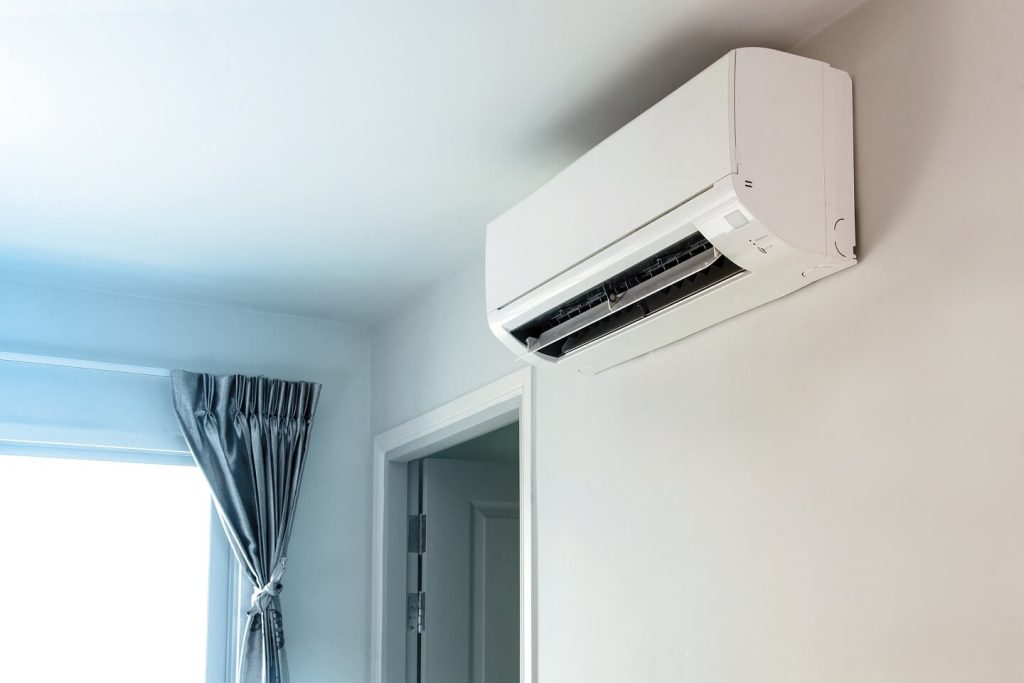
The common perception among British homeowners is that air conditioning is an expensive, energy-guzzling indulgence. Many remember outdated hotel units or power-hungry commercial systems from decades past.
The reality of modern domestic air conditioning is remarkably different. Driven by strict European and UK energy standards, today’s inverter-driven split systems are among the most efficient electrical appliances in modern homes.
Here is an analysis of what air conditioning actually uses in kilowatt-hours (kWh) and what it will cost on your electricity bill.
Understanding Cooling Capacity vs. Electrical Input
The biggest source of confusion when reading an AC spec sheet is the distinction between cooling output and electrical input:
- A typical bedroom air conditioning unit is rated at 2.5 kW (or roughly 9,000 BTU) of cooling capacity.
- That does not mean it consumes 2.5 kW of electricity per hour from the mains.
- Because of heat-exchange physics and modern refrigerants like R32, a 2.5 kW system typically has a Seasonal Energy Efficiency Ratio (SEER) of between 6.0 and 8.5.
- This means for every 1 kW of electricity drawn from the wall, the unit produces 6 to 8.5 kW of cooling energy.
In practice, a modern 2.5 kW bedroom unit consumes an average electrical input of just 0.6 kW to 0.8 kW per hour at peak startup, dropping down to 0.2 kW to 0.35 kW per hour once the room reaches its set temperature.
Real UK Running Costs Calculated
Based on an assumed average standard UK electricity tariff of 26p per kWh:
| System Size & Scenario | Average Electrical Draw (kW/hr) | Hourly Running Cost | Cost for an 8-Hour Night | Cost for a Hot Week (8 hrs/day) |
| Small Bedroom (2.5 kW Unit) – Startup | ~0.70 kW | ~18.2p | — | — |
| Small Bedroom (2.5 kW Unit) – Cruising | ~0.28 kW | ~7.3p | ~58p | ~£4.06 |
| Large Lounge (3.5 kW Unit) – Cruising | ~0.45 kW | ~11.7p | ~94p | ~£6.55 |
| Open-Plan Living (5.0 kW Unit) – Cruising | ~0.75 kW | ~19.5p | ~£1.56 | ~£10.92 |
| Typical Portable AC (Ungoverned) | ~1.10 kW | ~28.6p | ~£2.29 | ~£16.02 |
Running a fixed bedroom air conditioner for an entire eight-hour night during a heatwave costs approximately 58p to 75p—less than the price of a standard cup of tea or a short laundry cycle in a tumble dryer.
Inverter Technology: Why Costs Stay Low
Older air conditioning systems operated on a crude binary mechanism: the compressor turned on at 100% capacity until the room was freezing, turned off, and kicked back on when the room warmed up.
Modern units feature variable-speed DC inverters. When you switch the unit on, it ramps up for 10 to 15 minutes to pull the temperature down from 28°C to your target 20°C. Once attained, the smart sensors throttle the compressor down to a tiny trickle of power, just enough to maintain that temperature against outside heat gains.
4 Practical Tips to Minimise Running Costs
- Never Set It to 16°C: Setting the thermostat to 16°C does not cool the room down any faster; it simply forces the compressor to run flat-out continuously. Setting your unit to a comfortable 21°C or 22°C reduces energy draw by up to 30%.
- Keep Windows and Doors Closed: Air conditioning dehumidifies and chills an enclosed envelope. Leaving bedroom doors or windows open forces the unit to cool the entire house, running up your bill.
- Use the “Eco” or “Night” Mode: These modes automatically raise the target temperature by 1°C or 2°C over the course of the night to reflect the body’s cooler sleeping metabolic rate, reducing electrical draw during early morning hours.
- Leverage Solar PV: If you have rooftop solar panels, domestic air conditioning is practically free to run. Peak cooling demand aligns directly with peak solar generation on bright, sunny summer afternoons.
Looking for energy-efficient A+++ rated cooling?